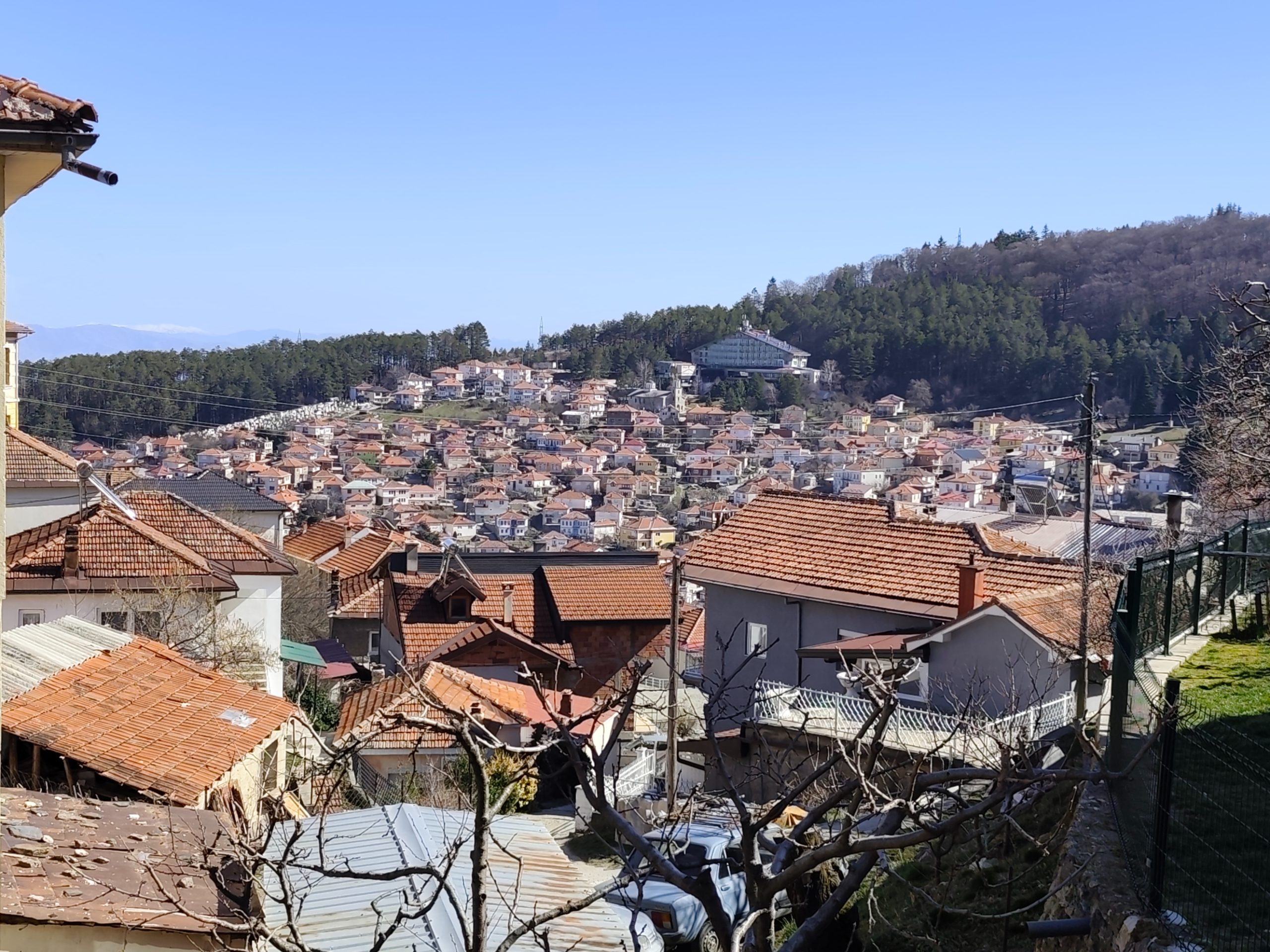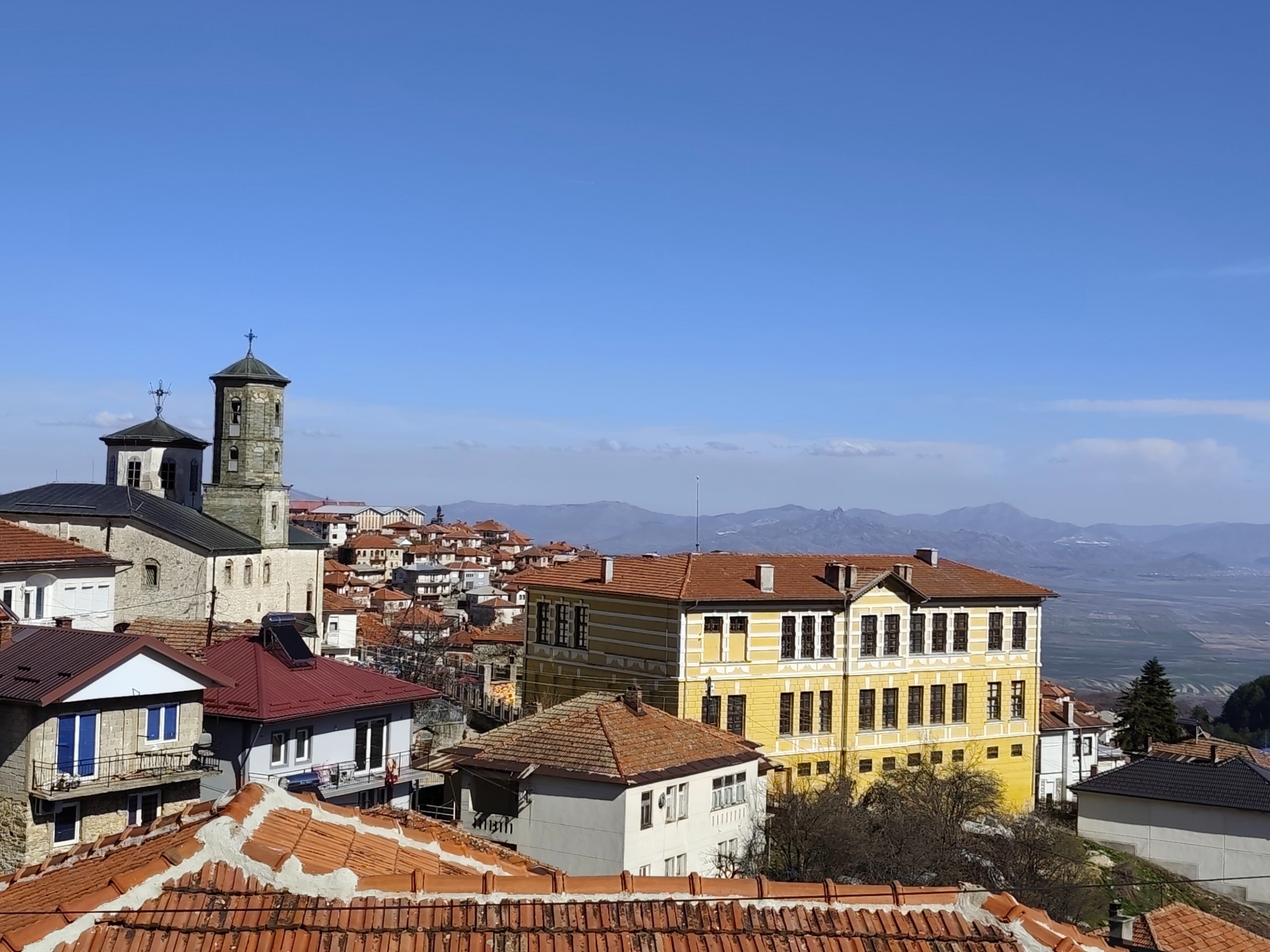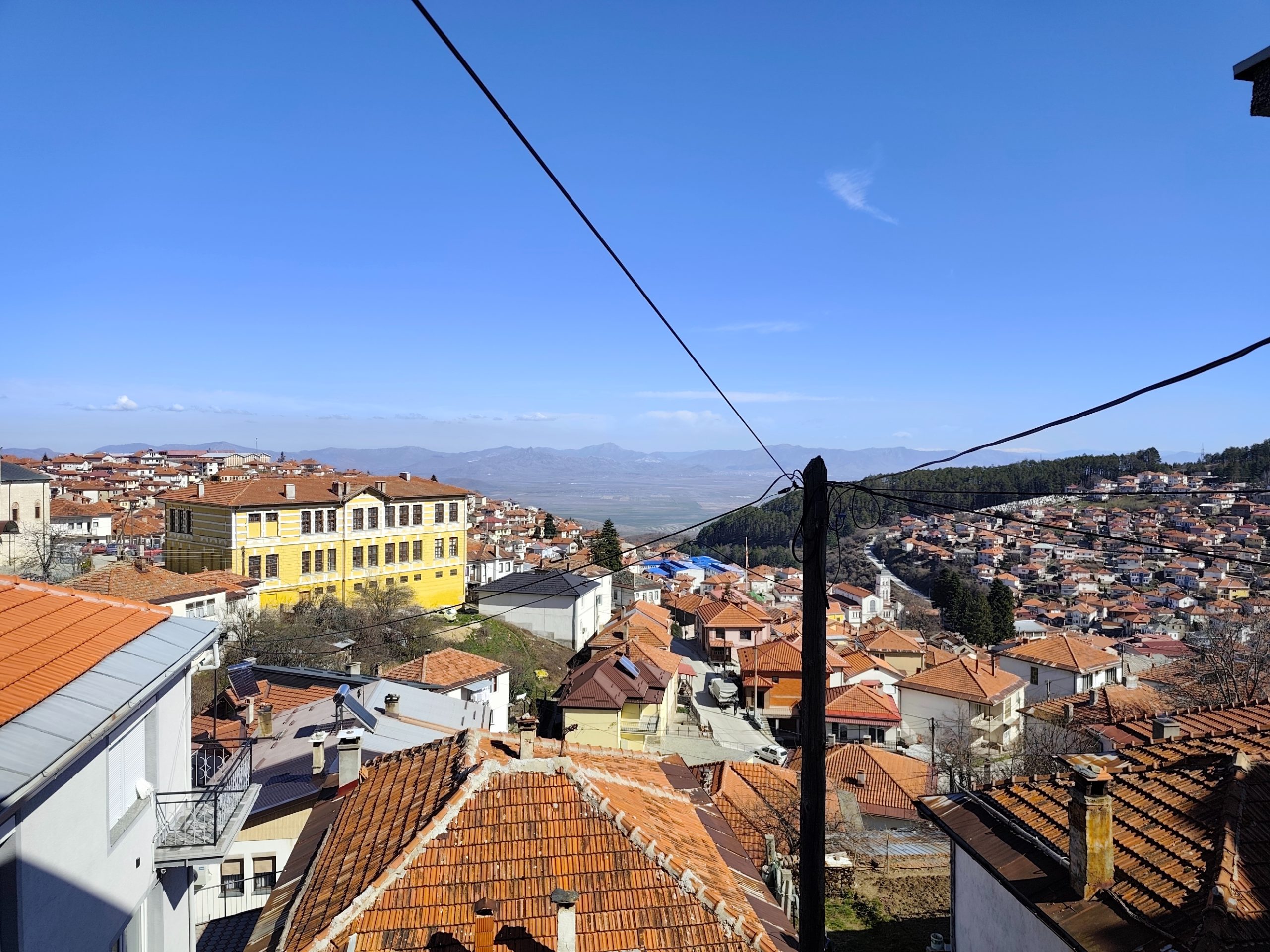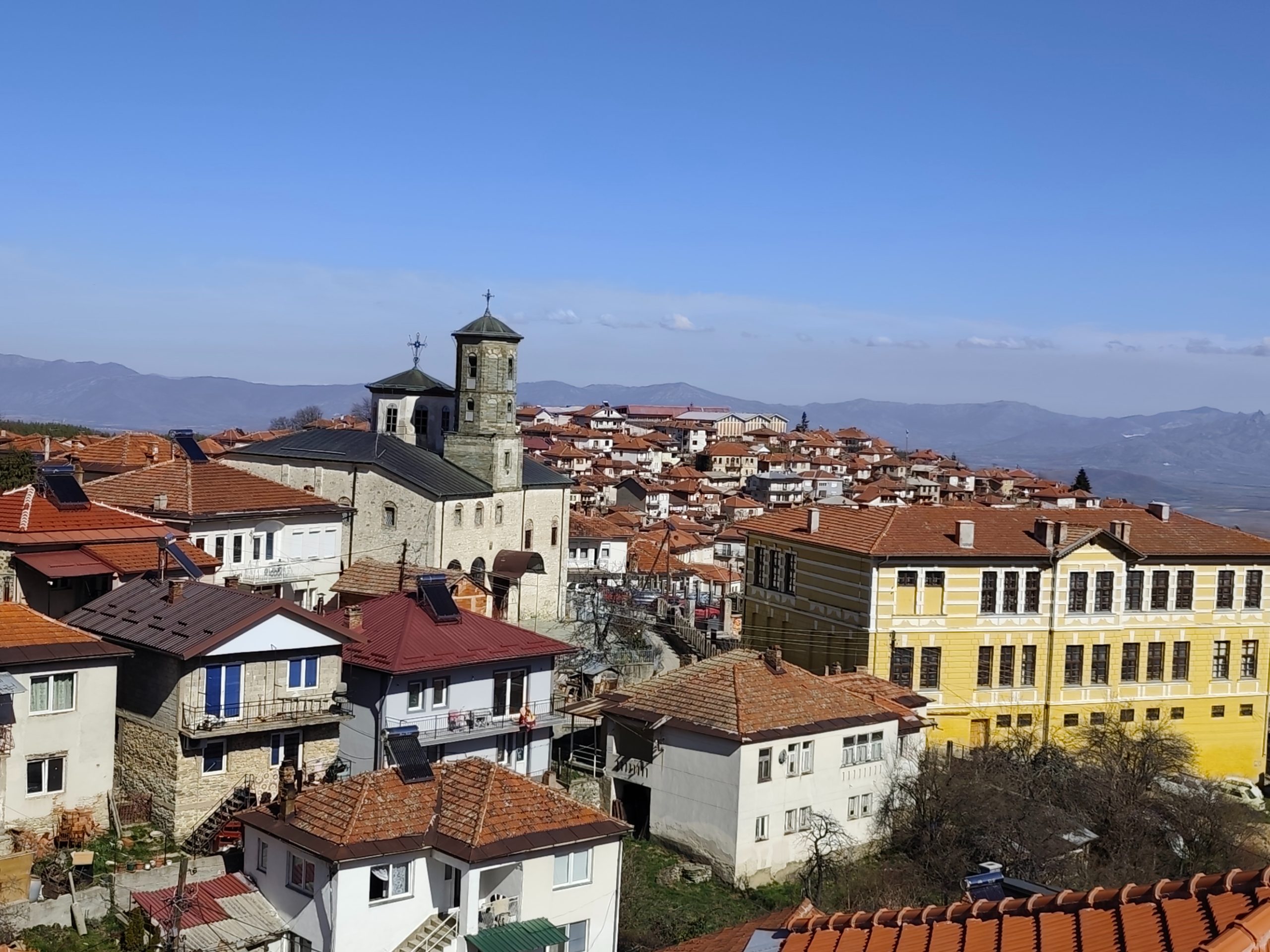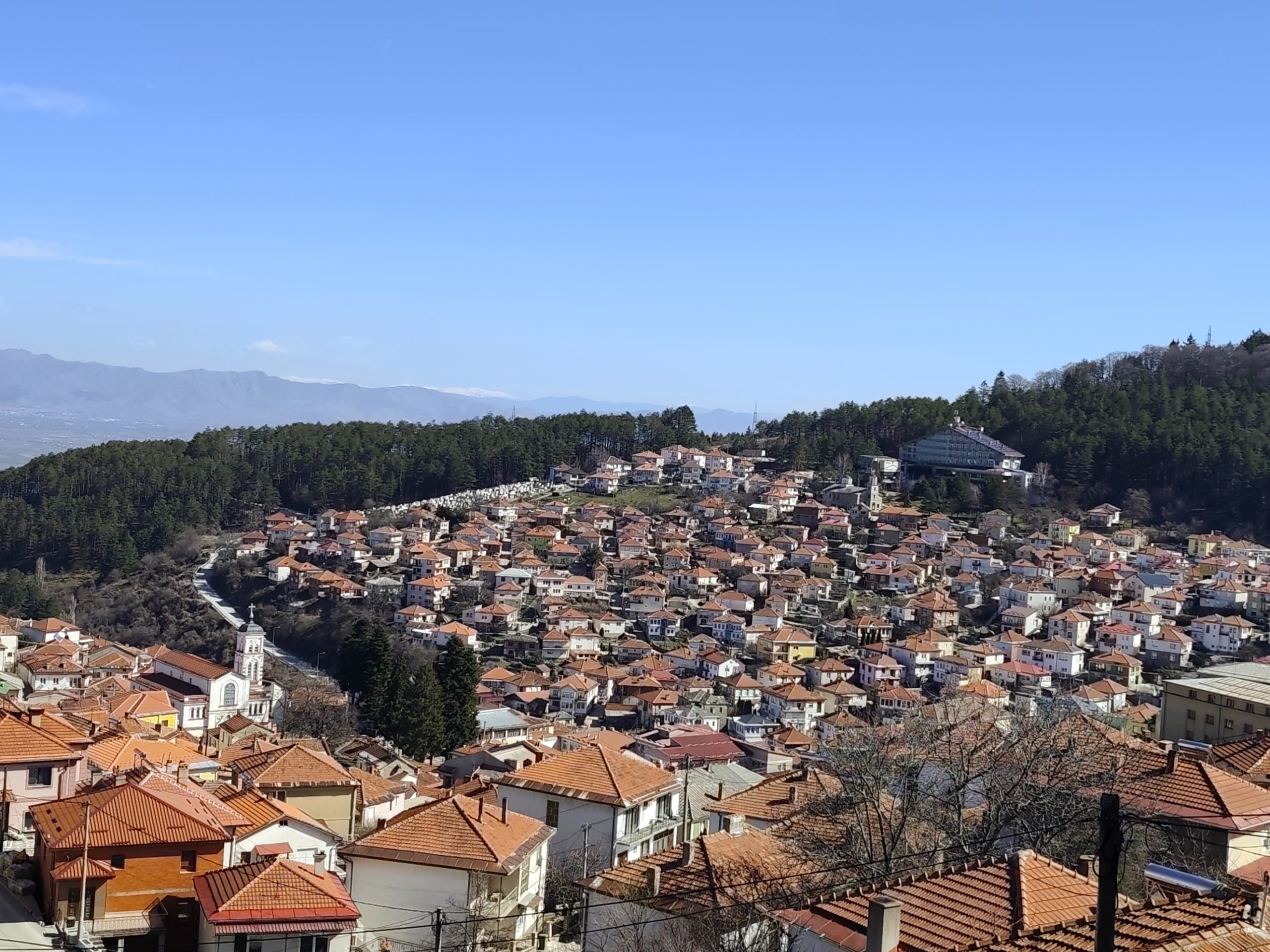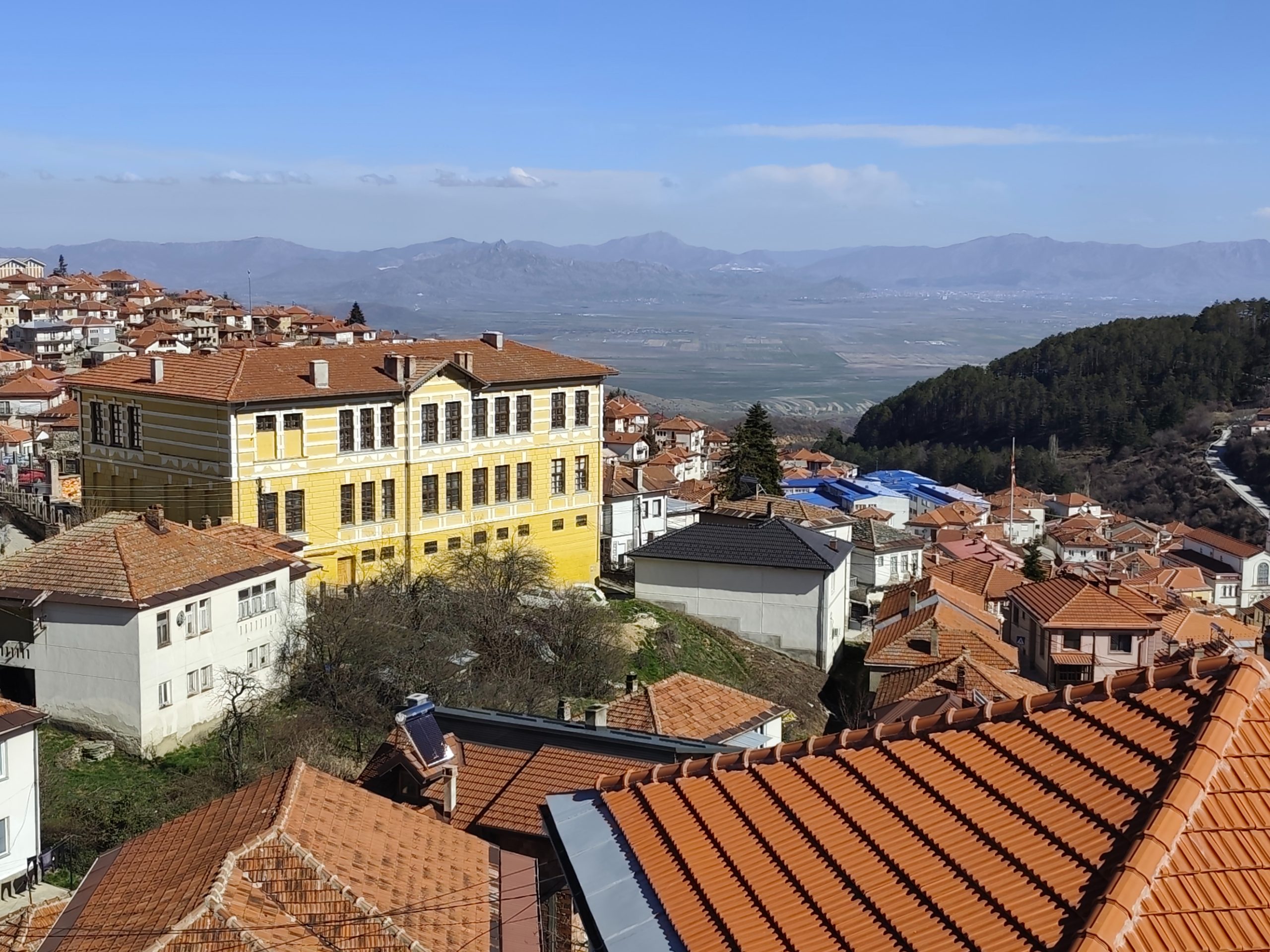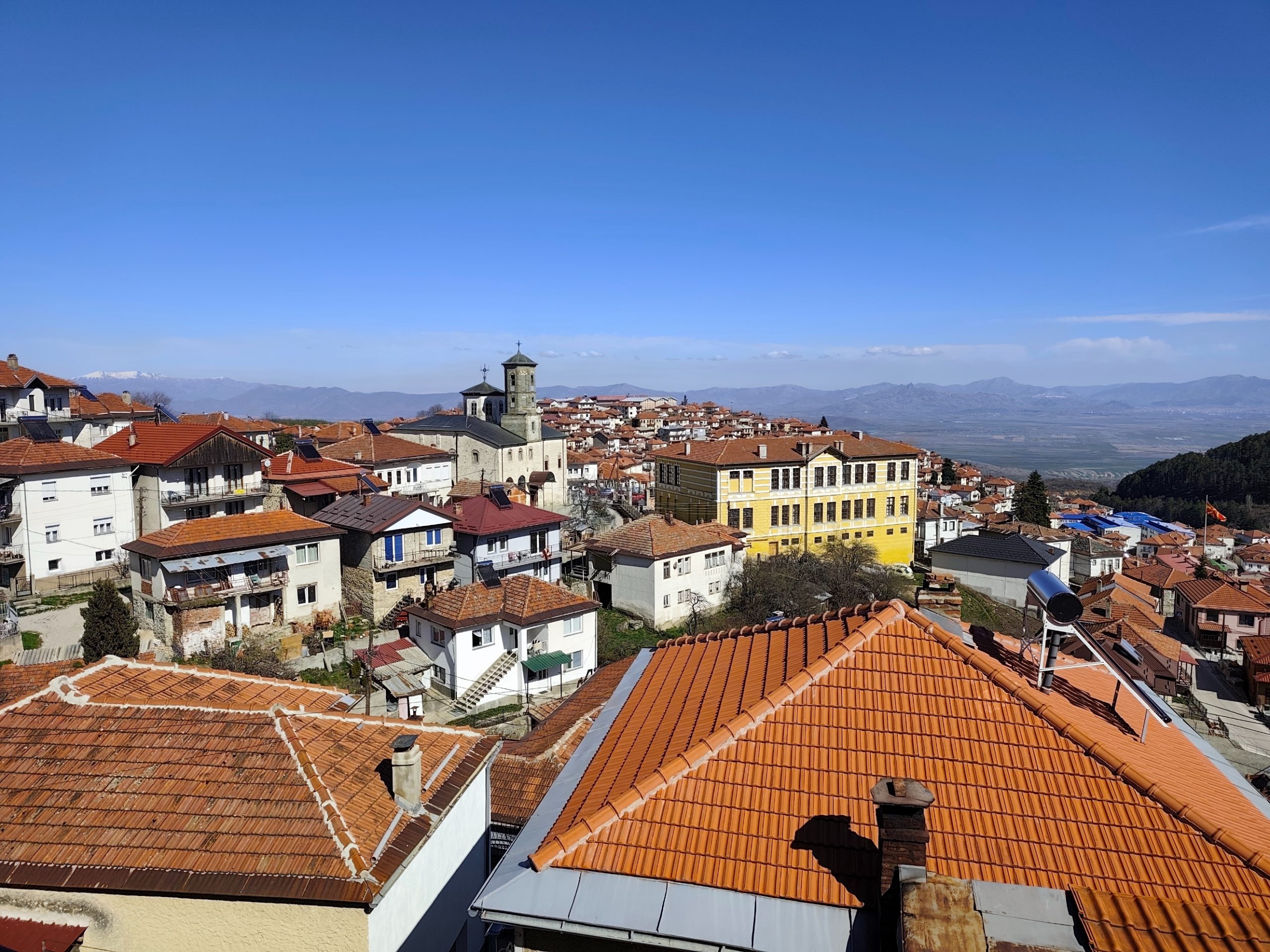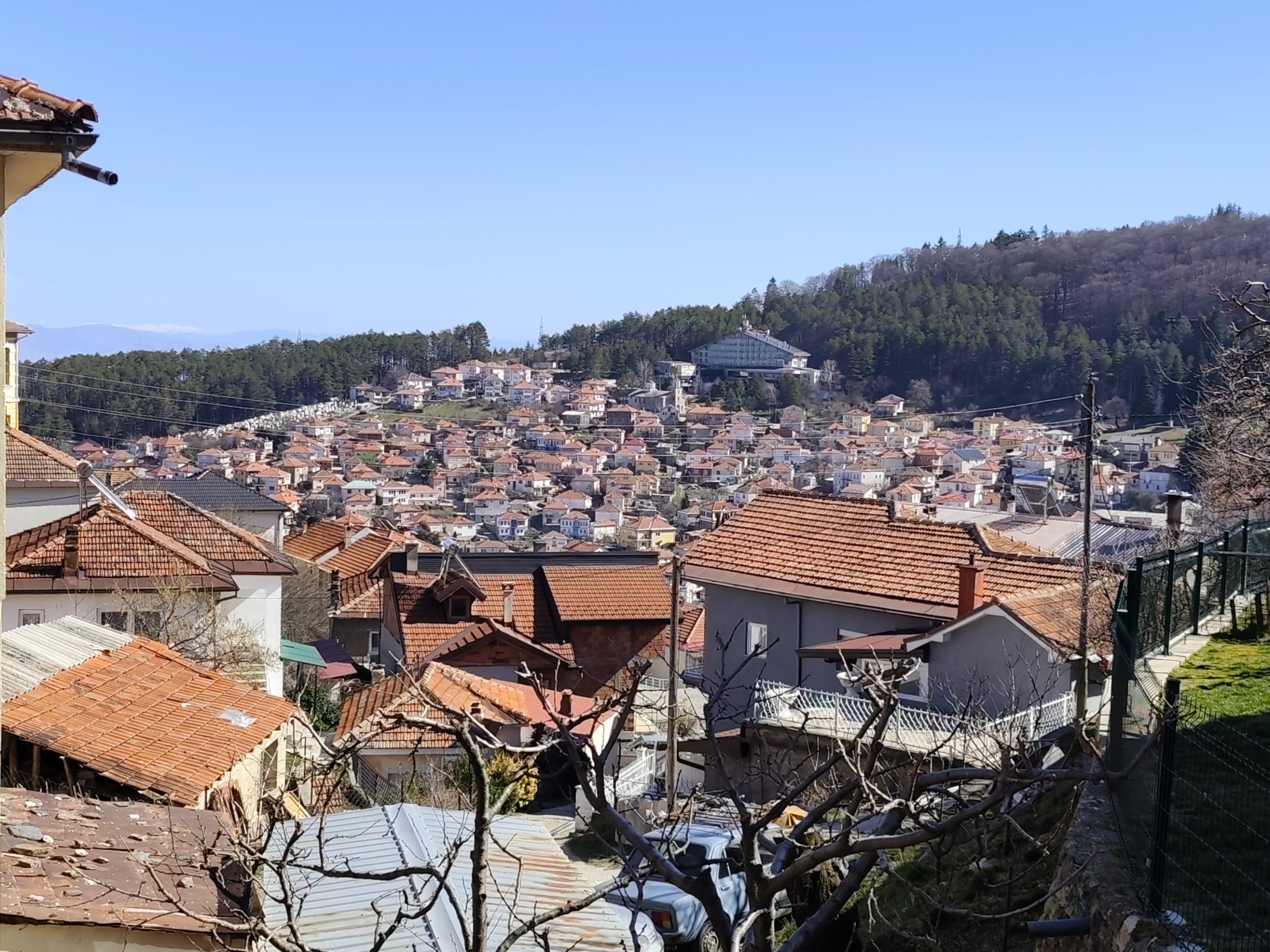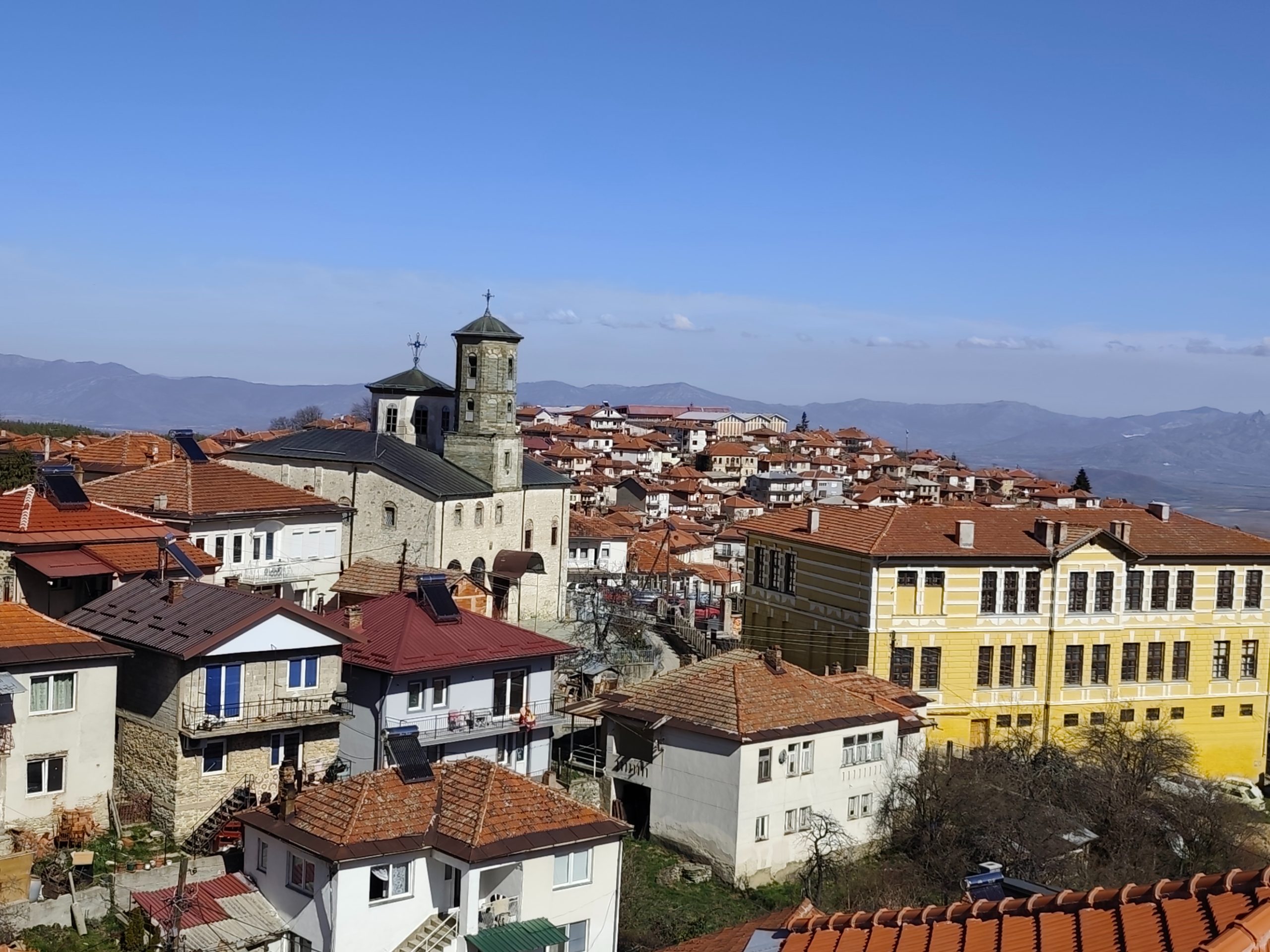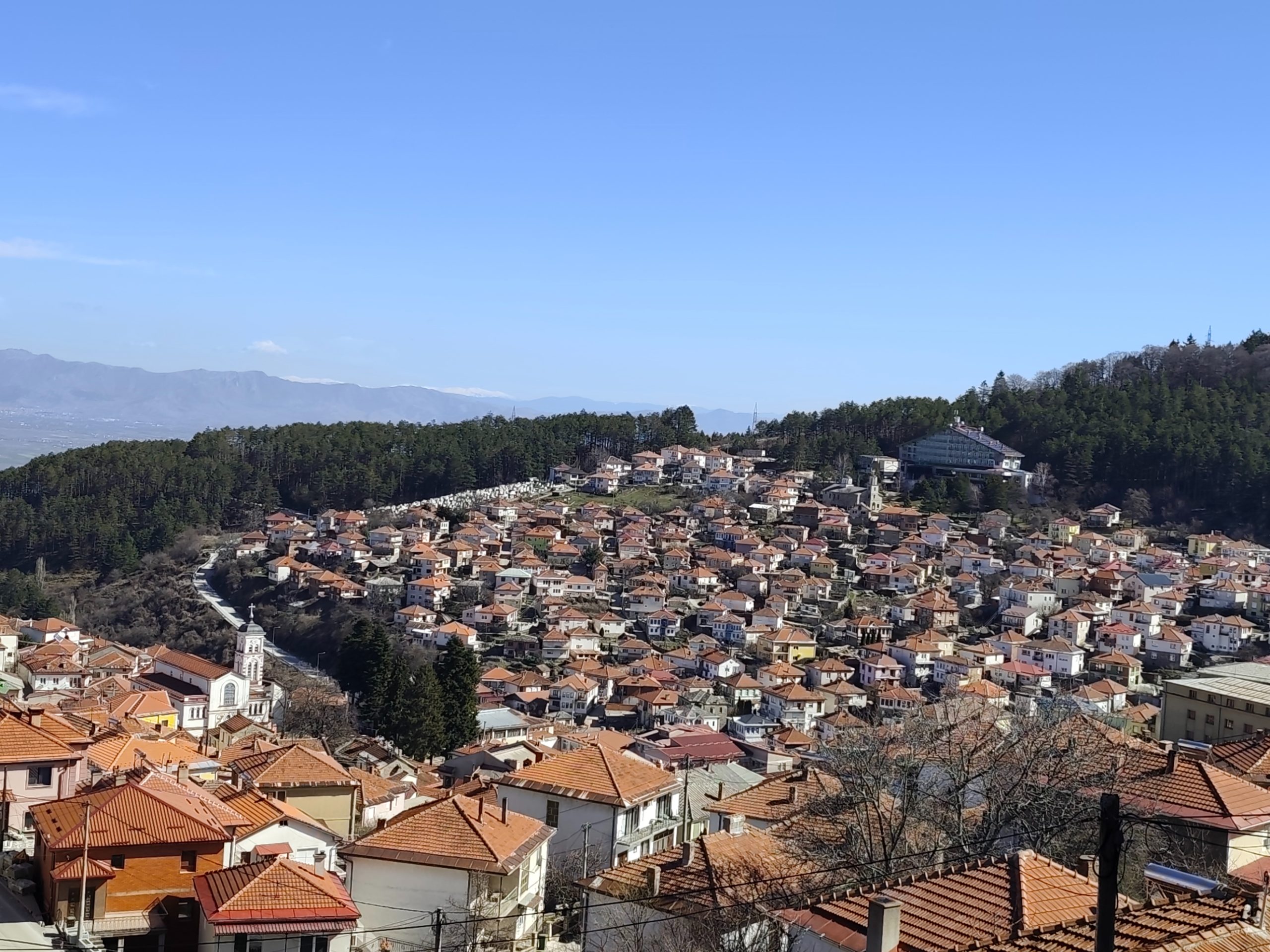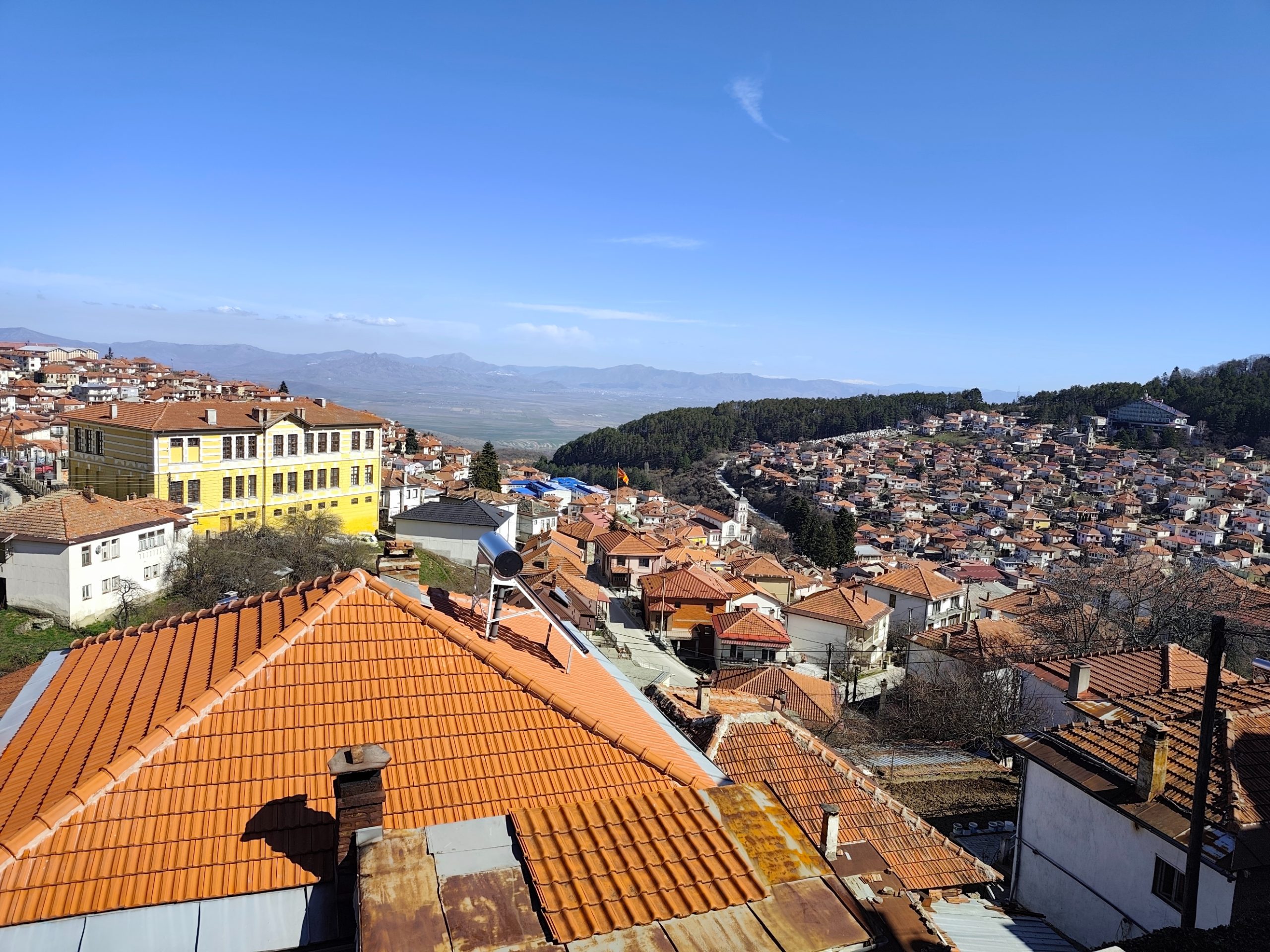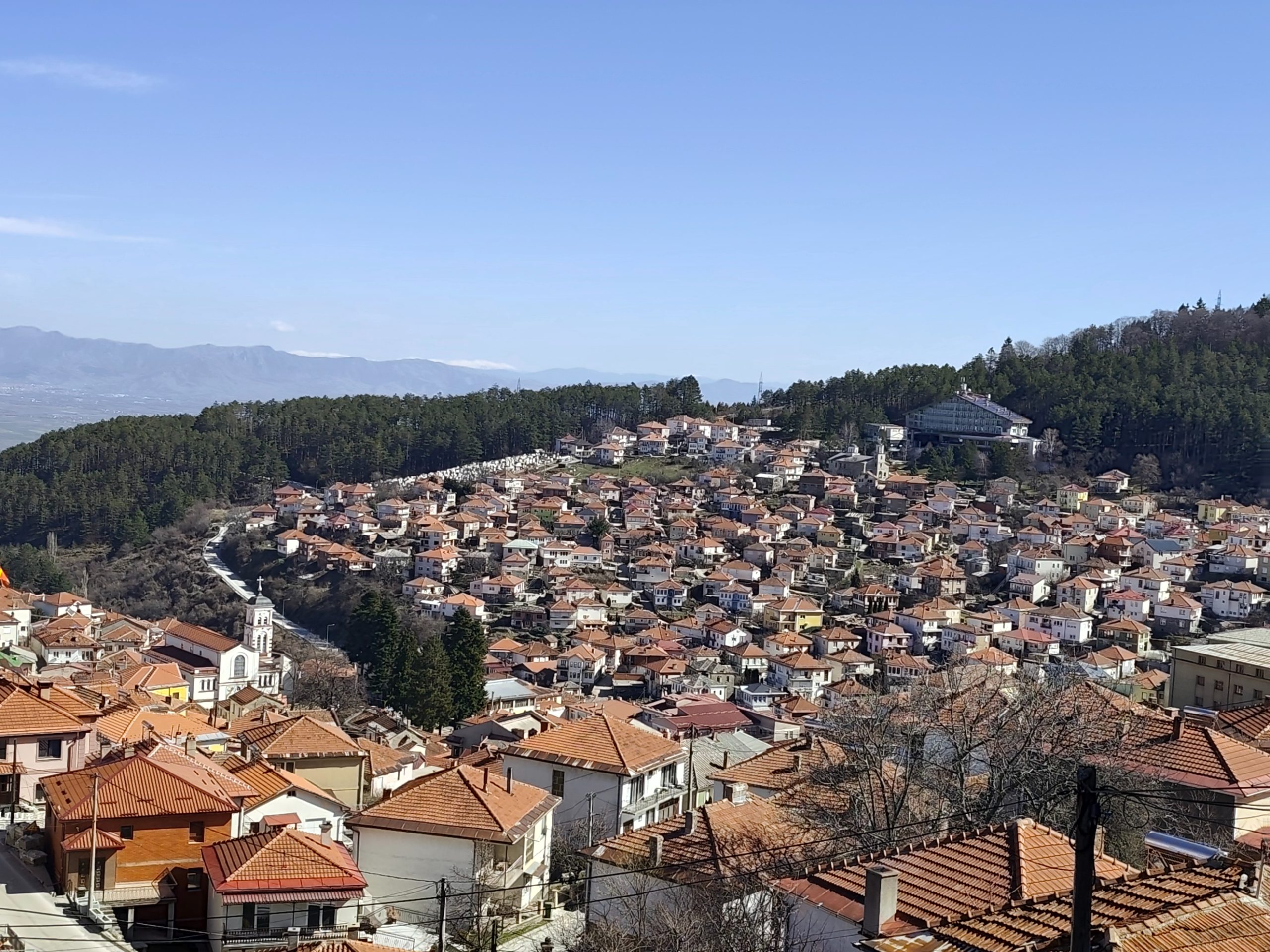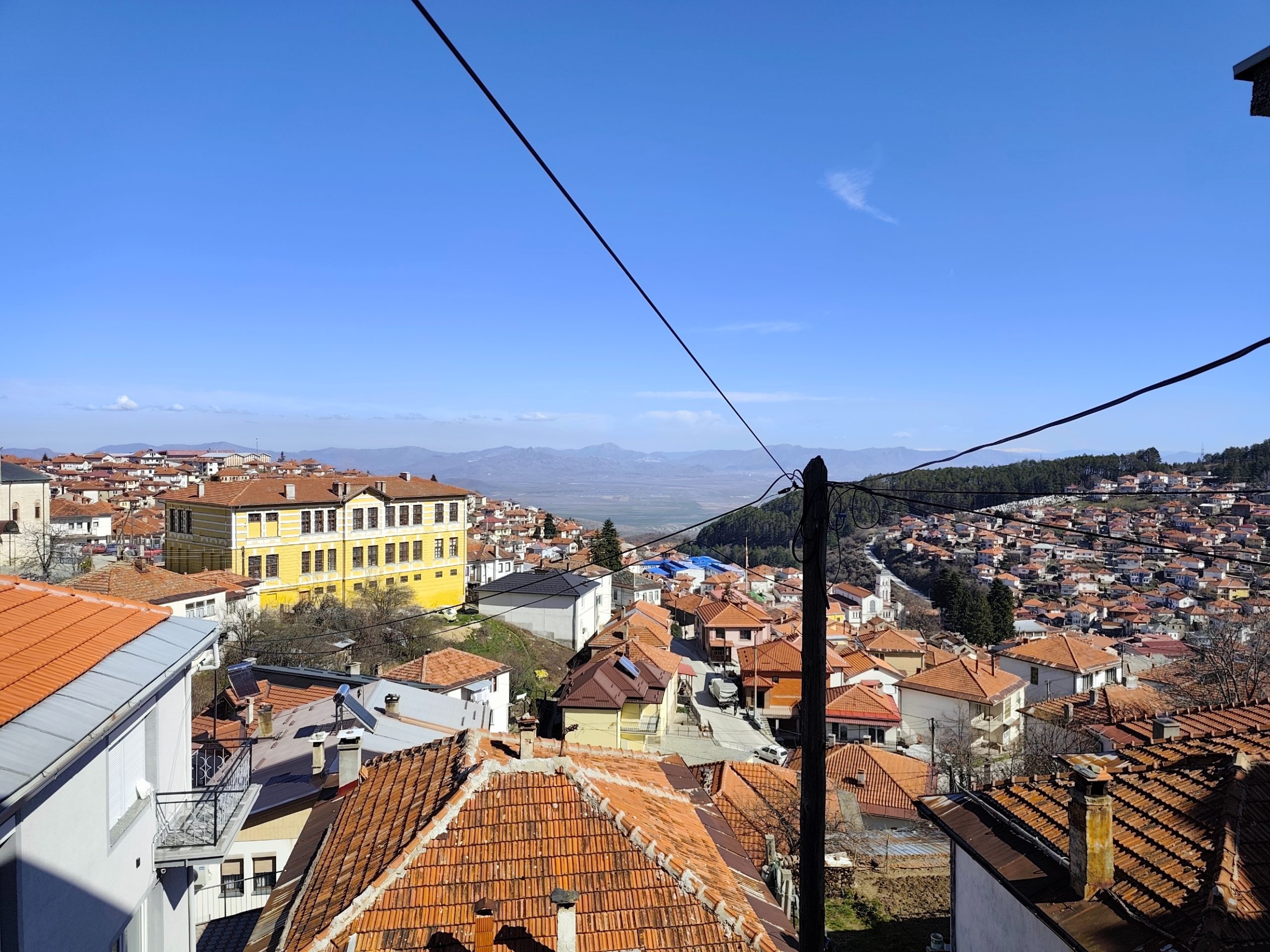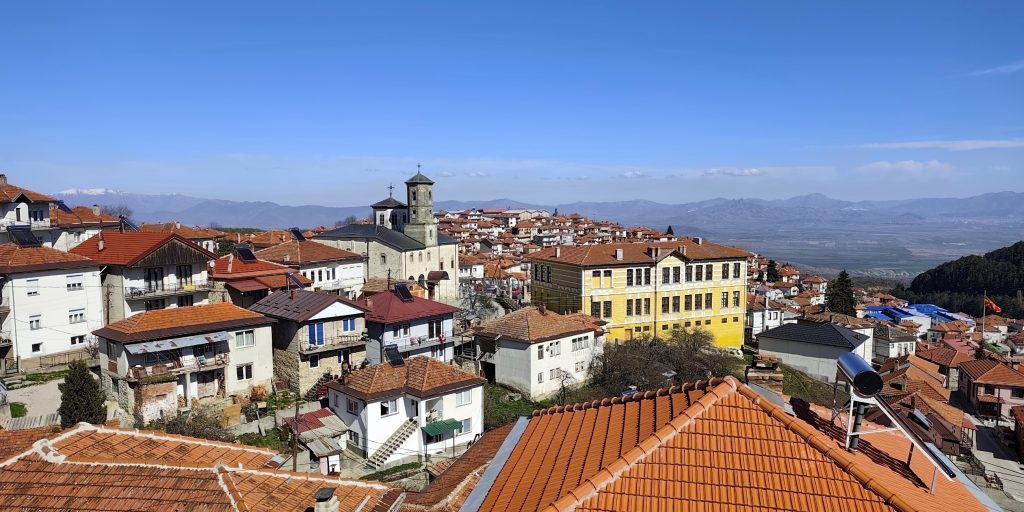
Situated at an altitude of 1 250 meters, Krushevo is one of the highest urban settlements in the Balkans. Perched on the western edge of the Pelagonian Valley, the city has evolved over centuries into a strategically vital center with unique architecture and a defiant spirit.
Origins and Early History
- Dating: While some sources mention it in the 14th century, official records date its formal establishment to the mid-15th century as an estate (mezra) of Hussein-Beg of Prilep.
- Settlement: Its greatest expansion occurred in the 18th century with the arrival of the Vlachs from Moscopole and the Macedonians (Mijaks).
- The Bazaar (Charshija): Economic progress and the formation of the central bazaar gave Krushevo its urban splendor. Notably, due to the absence of a permanent Turkish population (except for officials), a mosque was never built here.
Museum of the Ilinden Uprising and the Krushevo Republic
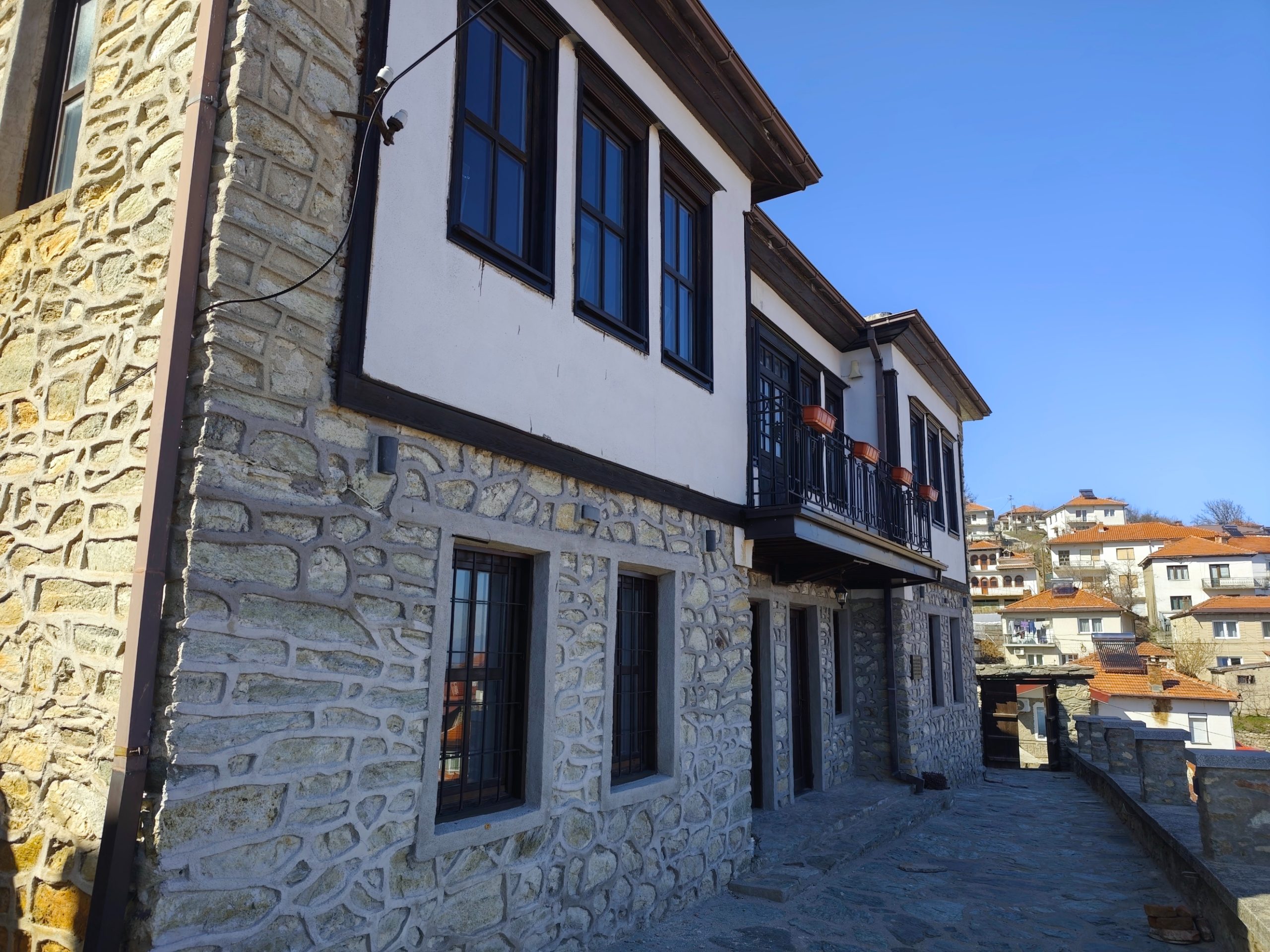
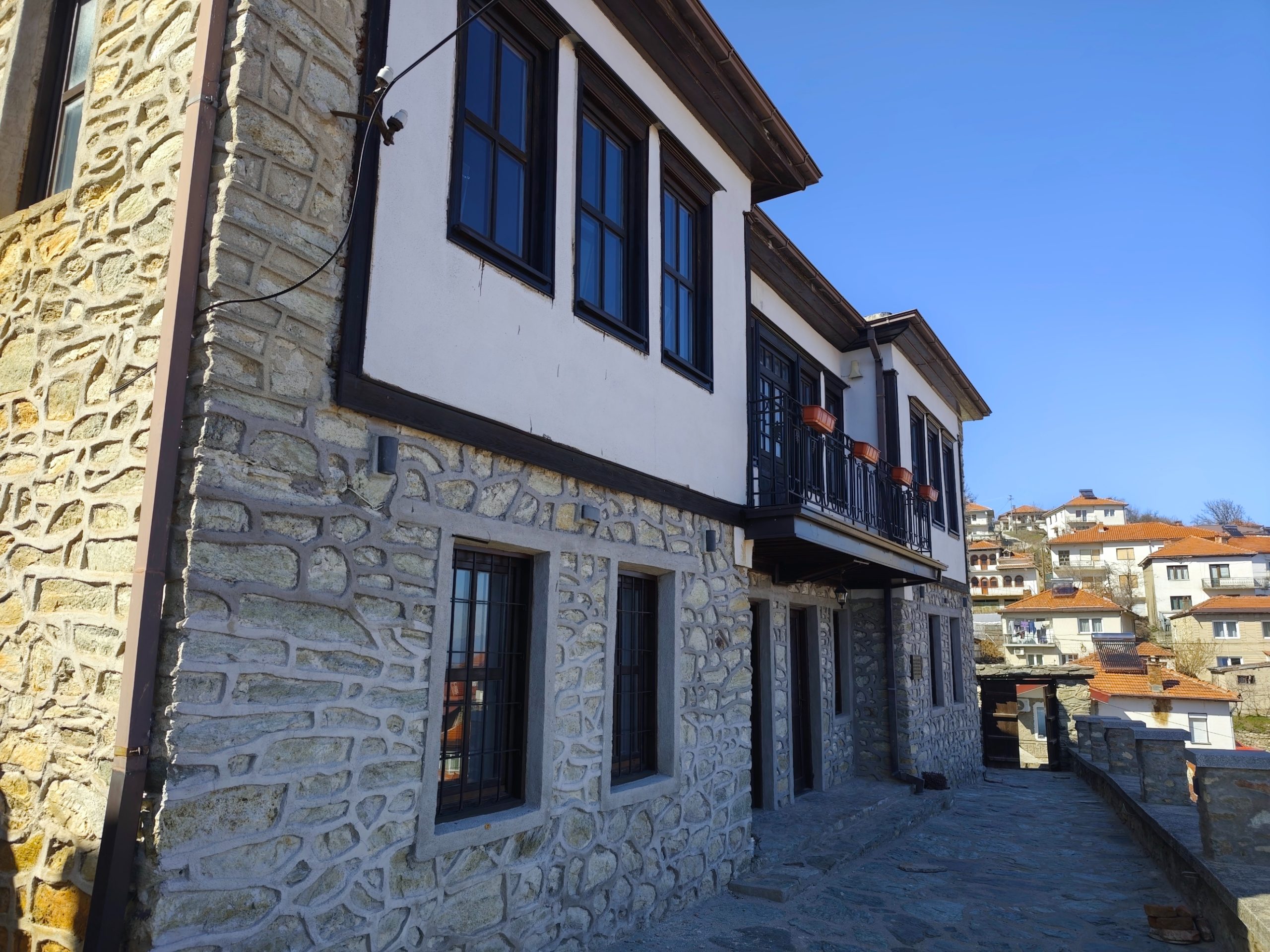
Housed in an authentic 19th-century traditional house (formerly owned by Gjore Makrev), this museum stands on the very site where the Krushevo Republic was proclaimed in 1903.
What the exhibition offers:
- Original Artifacts: Weapons of various origins, rebel uniforms, flags, and historical photographs.
- Key Documents: The original Krushevo Manifesto, records of the Provisional Government, and personal belongings of the President, Nikola Karev.
- Traces of War: A dedicated section focuses on the aftermath of the uprising’s suppression and the city’s suffering at the hands of the Ottoman army and irregular forces (bashibozuk).
Ilinden 1903: The Ten Days of the Republic
The Ilinden Uprising represents the pinnacle of the Macedonian revolutionary struggle, organized by the Internal Organization (VMRO) to secure Macedonian interests and freedom.
The Course of the Uprising in Krushevo:
- The Beginning: On August 2, 1903, 750 rebels led by Nikola Karev launched an organized attack on the city.
- Liberation: After fierce battles for the barracks and the police station (Ukyumat), Krushevo was liberated. All communications with Bitola, Prilep, and Kichevo were severed.
- Formation of Government: The headquarters were established at Gumenje, and the Council of the Republic was elected in the Patriarchal School building.
Organization of the State:
The Krushevo Republic (August 3 – 13) was organized as a democratic government representing all local ethnicities (Macedonians, Vlachs, and Albanians).
- President of the Republic: Nikola Karev.
- Head of Government: Vangel Dinu.
- Self-Sustainability: In just ten days, the rebels established a bullet foundry, a weapons repair workshop, and a revolutionary hospital.
Experience History in Person!
Visit Krushevo and walk the paths of the Ilinden revolutionaries. From the historic Gumenje to the narrow streets of the old bazaar, every corner of this city tells a story of courage.
- 📍 Museum Location: Old part of the city (Tomalevski House).
- ⏰ Opening Hours: Open daily from 09:00 AM – 04:00 PM.
- 💡 Recommendation: Combine your museum visit with a walk to the “Makedonium” monument for a complete historical experience.